Water is the finding buyers fixate on
A brown ring on a ceiling or a bubble in the paint next to the mantel can stall a sale faster than any crack in a flue. Buyers see a stain and imagine rot, mold and a roof job. In Costa Mesa, where marine air keeps masonry damp and winter storms arrive in bursts, chimney water is one of the most common items in a listing report.
The good news for a seller: most chimney water problems trace back to one of a few parts at the top of the stack, and several of them have published prices. This post walks through those parts, what fixing each one costs and which can wait until after the sale.
Where chimney water gets in
Think of the top of a chimney as a small roof with several seams. Water finds any one of them.
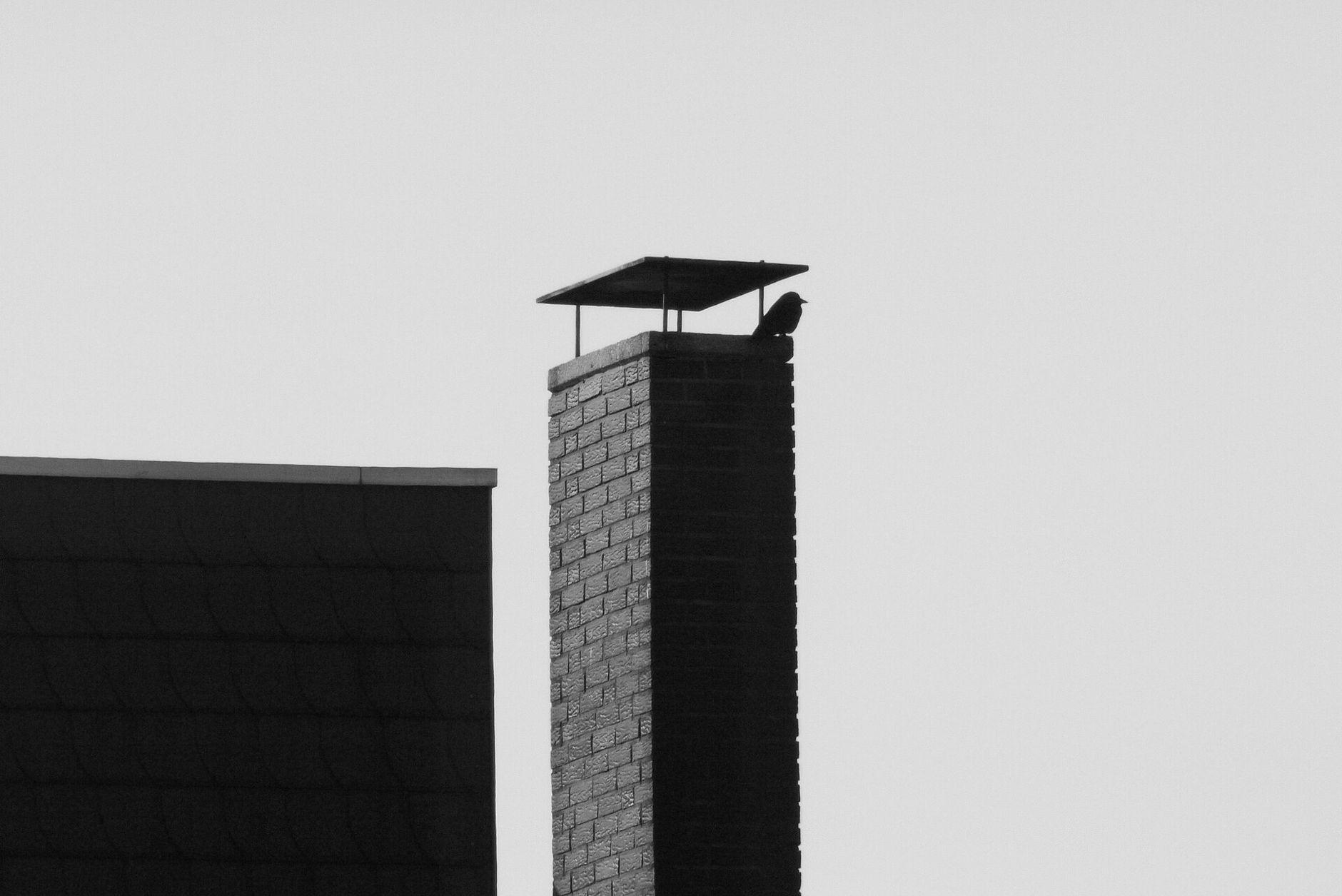
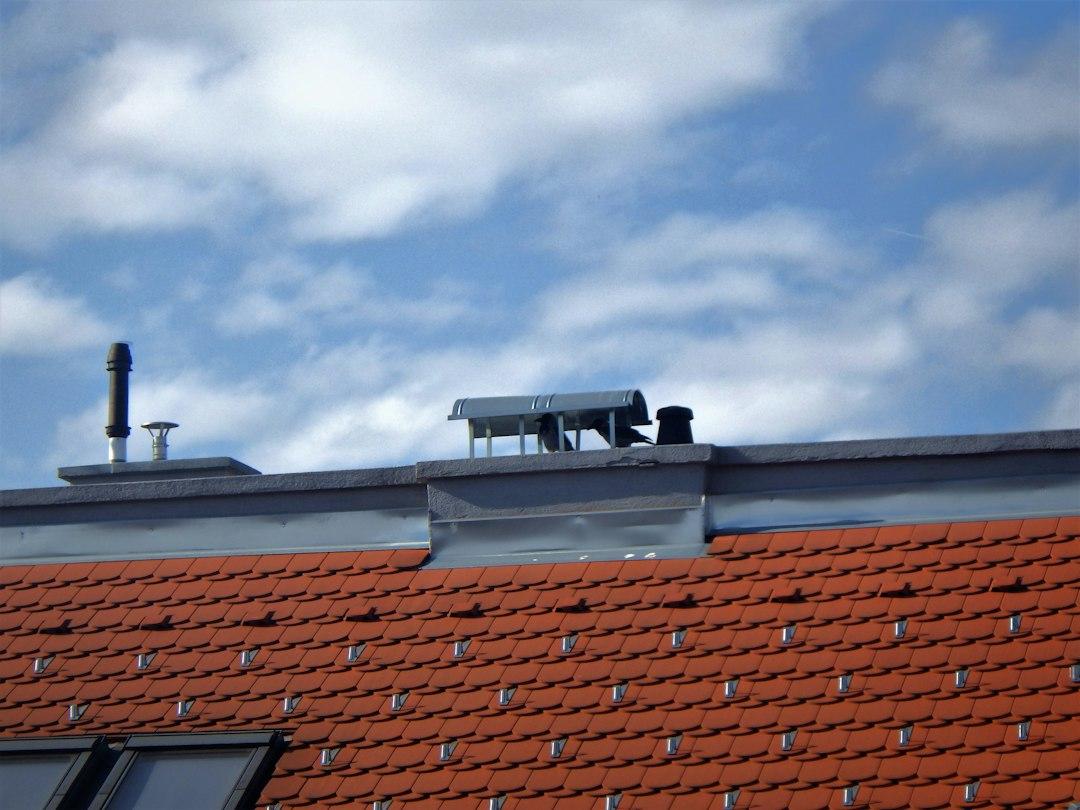
The cap. The metal hood over the flue opening. A missing or rusted cap lets rain drop straight into the flue and onto the damper, and lets birds and leaves in too.
The crown. The concrete slab that seals the top of a brick stack around the flue tile. When it cracks, water soaks into the brick below and works its way down inside.
The flashing. The metal that seals the joint where the chimney passes through the roof. When it lifts or the sealant dries out, water runs down the outside of the brick, under the roofing and into the ceiling.
The cricket. On a chimney wider than about thirty inches, a small sloped roof on the uphill side splits the runoff. Without one, water and leaves pond against the brick.
The chase cover. On a framed chimney with a metal flue inside, a metal lid seals the top. When it rusts or sags, water pools and drips down inside the framing.
The brick itself. Old brick and mortar soak up water. Open joints let in more.
A camera inspection, $415 on this site, finds which of these is at fault. It photographs the top of the chimney, looks at the flue and checks where the chimney meets the attic, so the repair goes to the part that is actually leaking.
Prices for the usual fixes
| Fix | Price |
|---|---|
| Leak found and stopped, from one source or several | $595 to $3,550 |
| Diverter built on the high side of a wide stack | $475 to $1,070 |
| Diverter together with all new step and counter flashing | $715 to $1,750 |
| Fresh cap, fitted to your flue top | quoted after we measure |
Caps differ because a single round flue takes a small stainless hood, while a stack with several flues may need a custom box cap. The leak range covers everything from resealing one seam to work on several parts at once.
Crown repair, chase cover replacement, flashing on its own and water repellent for the brick are not on the price list. Each gets a written figure from us once the roof visit shows its size, so you sign off on a number that matches your chimney.
If you have a stain, a drip or a report that mentions water, describe the leak on the form. Name the room with the mark and say whether light showers bring it or only big storms, and we suggest which visit to book.
What to fix before the listing
Some water findings should be dealt with before buyers walk through.
- Any active leak. If water is still coming in, fix the source and repair the ceiling. A dry stain with an invoice beside it reads very differently from a damp one.
- A missing or rusted cap. It is quick, a minor job next to the questions it would raise, and visible from the street.
- A crown split through. Water is getting into the brick, and every buyer's inspector will flag it.
- A chase cover that holds water. Rust streaks on the siding below are hard to explain away.
What can wait
- Hairline crown cracks with no water inside. Note them; they are a maintenance item.
- Water repellent on the brick. Useful, but it is a preventive coat, not a repair.
- A cricket on a stack that is not leaking. Mention it to the buyer; it is not urgent.
Our comparison of fixing, crediting or disclosing a finding explains how to decide the in-between items.
Why a leak needs tracing, not guessing
Sellers sometimes ask a roofer to "just reseal around the chimney" a week before listing. Sometimes that works. Often the water was coming through the crown or a cracked tile, and the new sealant hides nothing but delays the stain. Then the buyer's inspector finds a fresh stain, a fresh patch and no explanation.
Tracing the leak first costs less than repeating the repair. It also gives you a clear story for the disclosure: what leaked, why, what was done and the photos to show it.
What a seller receives
After a water repair, the seller receives:
- Photos of the faulty part before and after the work.
- An itemized invoice naming each repair and its location.
- A short note tying the work to the finding, ready for the disclosure packet.
For condos and townhomes
In attached homes with shared roofs, the chimney top may belong to the association rather than the unit owner. If you are selling a condo with a leaking fireplace, check the association's rules before booking. We can still inspect and price the work, and the report can go to both you and the association. Our property manager and HOA page covers how those visits work.
Related services
Before the next storm
A dry chimney is one less thing for a buyer to question. When you want the water traced and priced, the contact page is where to begin. Tell us where the stain is and when you plan to list.
Want the chimney settled before you list?
Boyce inspects ahead of the buyer, sorts each finding into fix, disclose or leave, and prices any repair on paper. Visits run from Costa Mesa to Santa Ana, Newport Beach, Laguna Hills and the cities around them.